Movie publicity often turns costume into an image to admire and move past. Mia Goth’s account of Frankenstein suggests a more interesting use for it: clothing can help an actor understand a character. In a November 2025 Netflix Tudum interview, she described a fitting with costume designer Kate Hawley as the moment Elizabeth began to make sense to her. The discovery was tied to putting on a dress, rather than simply receiving a picture of the finished look.
Goth plays Elizabeth Lavenza and Claire Frankenstein in Guillermo del Toro’s adaptation. Netflix’s cast guide identifies the two roles, so a fan page should not collapse them into a generic description of Frankenstein’s bride. They occupy different relationships within the story. The film was released in 2025 and is already available on Netflix; these production conversations are archived accounts of making it, not evidence of an upcoming 2026 premiere.
The fitting story gives a viewer something concrete to follow without disclosing the ending. Notice how a garment might influence where a character holds her hands, how she occupies a room or how she chooses to move. The same costume can be a visual design for the audience and a physical constraint or possibility for the performer. This is a useful question for any period film: what does the actor gain from the object that a still photograph cannot show?
At Netflix’s published Lineup conversation, Goth recalled accepting both roles after reading a draft and then having to discover how to approach them. She described working toward a quieter state rather than remaining caught in the effort of solving everything intellectually. That is her account of the process. It offers a counterweight to the assumption that the most dramatic performance must always come from the most visibly forceful preparation.
Hawley’s contribution to the same conversation expands the picture beyond one dress. The costume designer discussed nature, anatomy and beetle imagery, along with fabrics and textile work made within the production. An actor’s preparation and a designer’s material research can meet in a single garment. That meeting is the craft story here: the image has several makers, and its meaning can be built through collaboration before an audience ever sees it.
For a spoiler-light viewing route, keep three questions nearby. How does clothing change your first impression of a character? When does a quieter gesture draw more attention than a grand statement? And what can the repeated presence of one performer across two roles make you compare? You do not need to decide the answers in advance. The pleasure is in testing those questions against the film rather than replacing the film with a summary of its revelations.
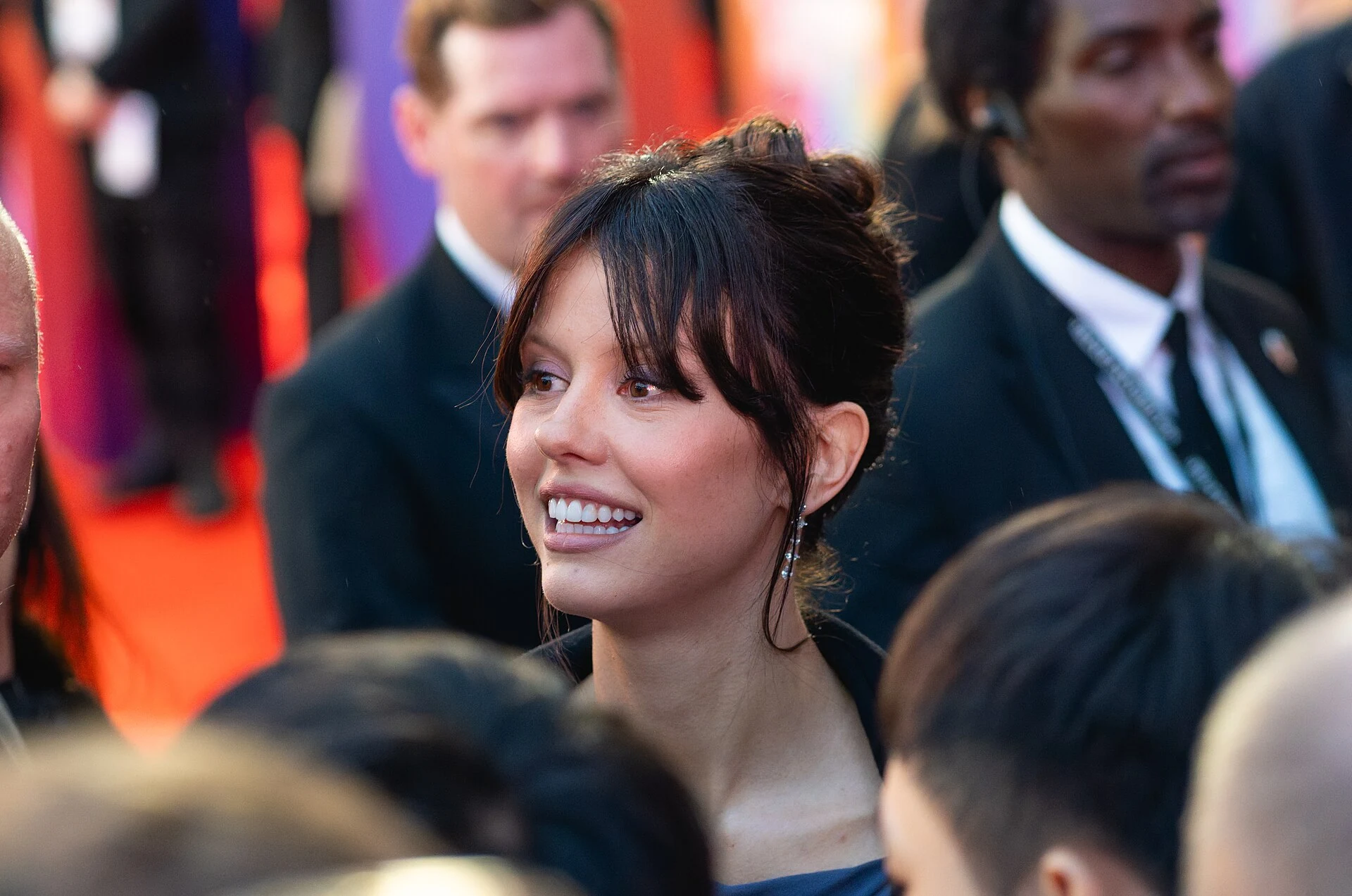
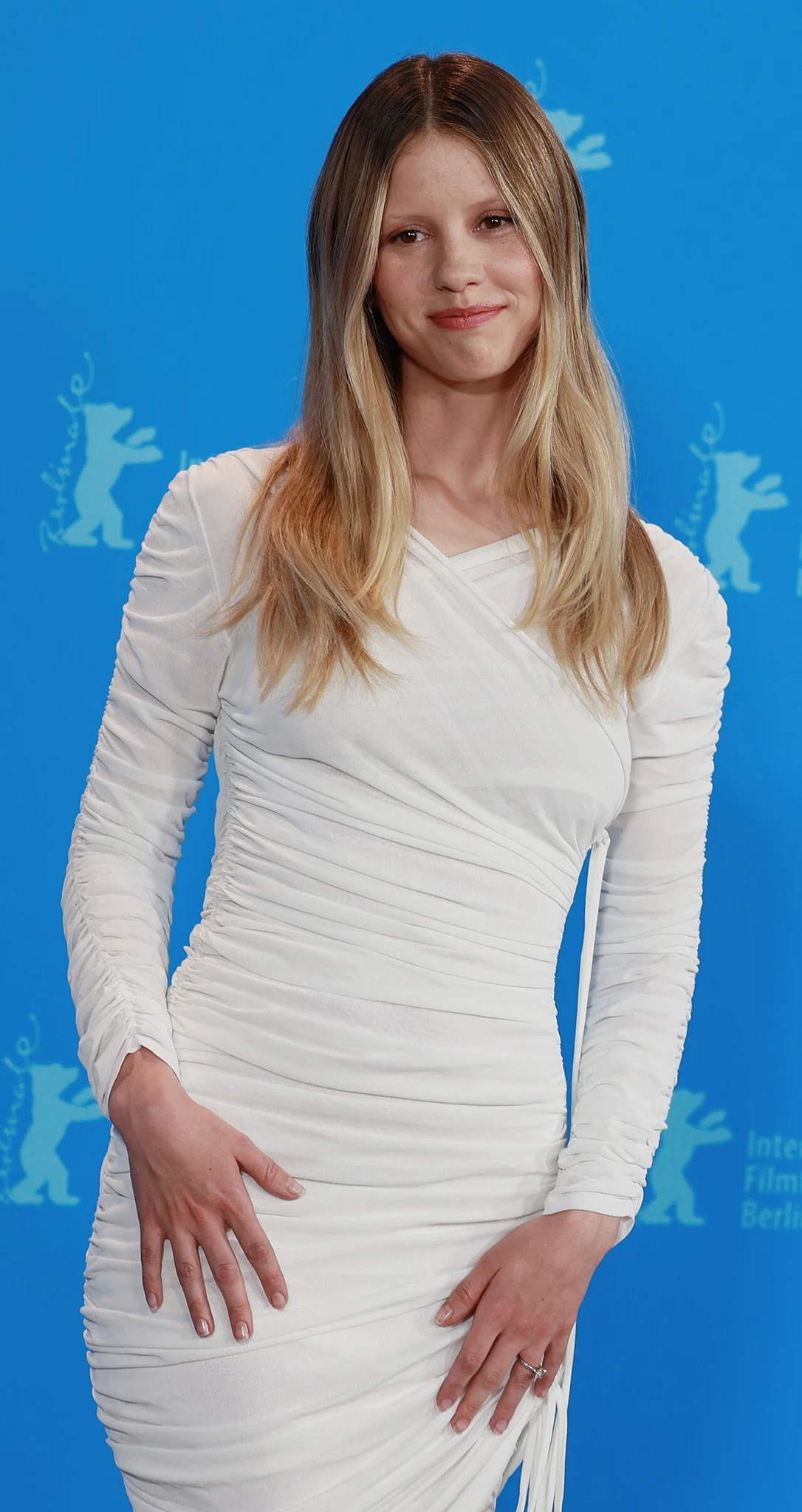
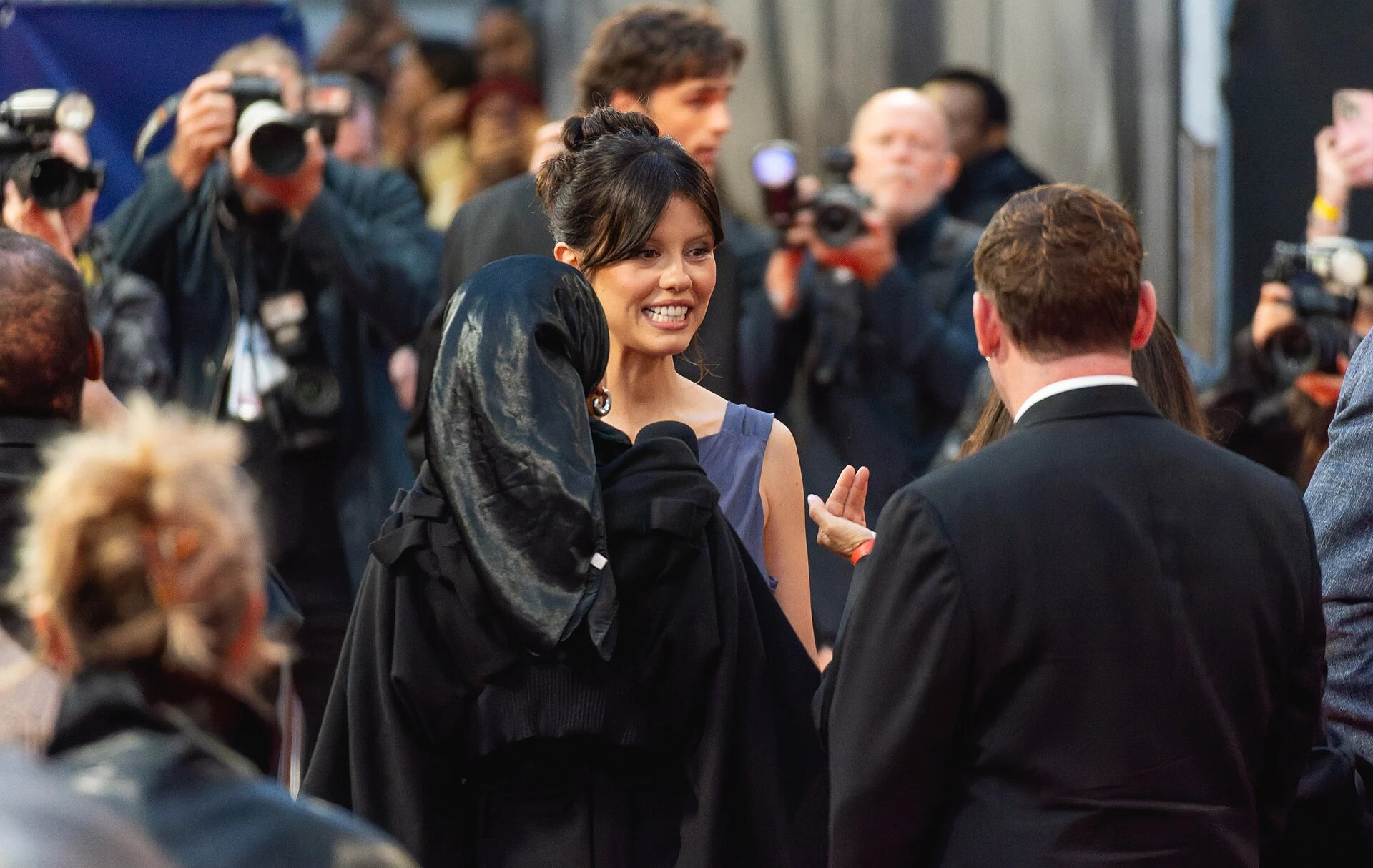
The photographs on this fan page show Goth at public film events; they are not being presented as production stills of Elizabeth or Claire. For the film’s own costume imagery and the participants’ words, follow Netflix’s original features. The individual character interview contains substantial plot details, so save it until after watching if that matters to you. This AI-written craft feature synthesizes those published sources and does not claim a screening or interview of its own.